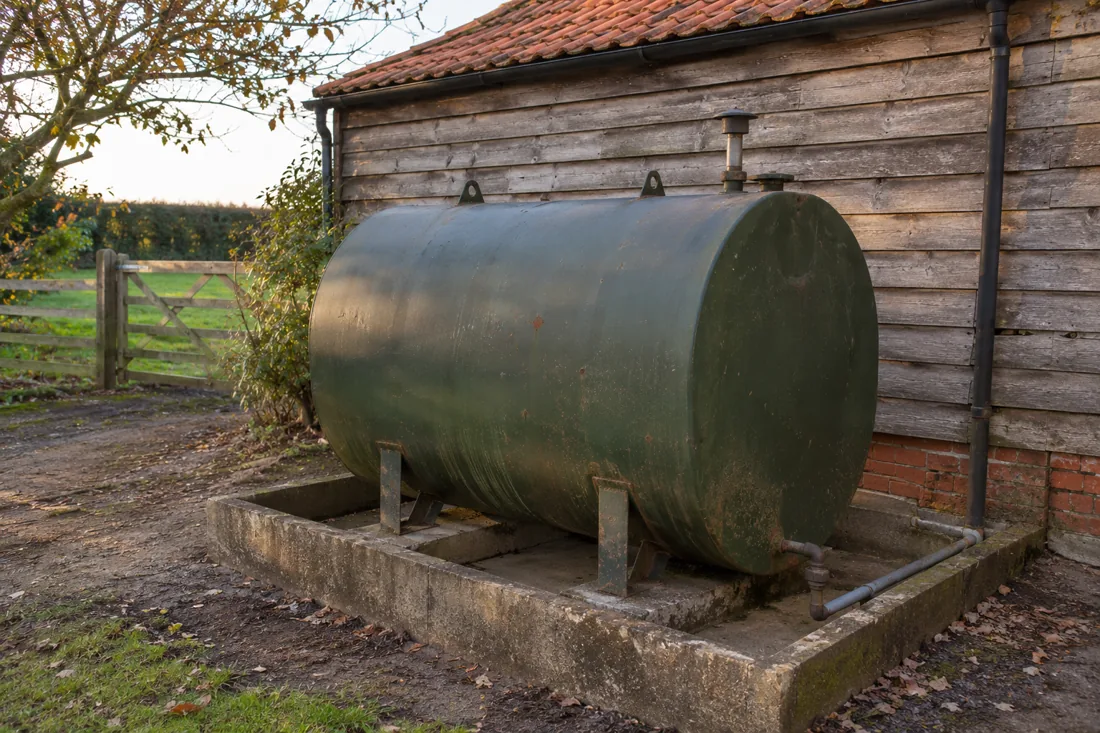
Remove the Tank, Retain the Heating, or Start Again?
Removal is useful when you are changing heating systems, clearing a property, replacing a damaged tank or freeing space for building work. The first question is whether the tank still supplies anything. A boiler that is rarely used, a workshop heater or a standby generator can be easy to overlook when a site changes hands.
If the building will still use oil, arrange a replacement or an alternative supply before the old tank is disconnected. If oil heating is ending, confirm who will deal with the boiler and the internal pipework. Tank removal and boiler removal are different jobs, and the quotation should make that boundary clear.
An above-ground tank may leave whole or be reduced in size by a specialist after preparation. A buried tank needs a separate decision about excavation and environmental risk. Read the underground tank guide before assuming a small fill pipe means a small job.
What to Send Before a Removal Quote
Send a full view of the tank, a close view of any label you can read safely, and pictures of the supports and visible connections. Include the postcode, tank material, approximate capacity and whether it is in use. If the capacity is unknown, say so rather than guessing from its shape.
Photograph the entire route out to the road, including gates, side passages, steps and tight turns. Give the narrowest clear width and mention overhead branches, soft lawns, septic tank covers and shared drives. Tell us if the tank sits inside a shed, behind a wall or beneath a structure added after installation.
Access needs to work for pumps, hoses, collection equipment and people as well as the tank itself. A photograph taken only from the garden can hide a difficult route through the house. Do not dismantle a fence or expose buried pipes before the removal method is agreed.
The Oil Left Inside Changes the Plan
A low gauge reading does not mean the tank is empty. Residue, water and sludge can remain below the draw-off point, while the gauge may not show the true contents. State when the last delivery arrived and give your best estimate of the fuel remaining.
Usable oil may be transferable into a suitable tank at the same property, subject to a condition check and enough spare capacity. If there is no receiving tank, collection and disposal must be included. Do not promise the oil to a neighbour before the contractor has checked whether it can be moved safely and lawfully.
Arrange any fuel delivery around the confirmed programme. A delivery into redundant pipework is a serious avoidable risk. Tell your supplier when storage is being taken out of use and agree how remote fill points will be removed or made permanently unavailable.
From Disconnection to a Clear Space
The removal contractor assesses the tank and work area, then agrees a safe isolation and fuel-handling method. Remaining liquids are recovered, residues are removed, and the tank is prepared for the selected lifting or cutting method. This is specialist work, including when the tank appears clean.
HSE guidance on hot work on tanks explains why residues can create an explosion hazard. Cutting is not a household preparation task. The contractor should justify the method, manage ignition risks and use testing or additional precautions appropriate to the work.
Agree whether the supports, base, oil line and fill assembly are included. A cleared tank footprint is different from a reinstated garden. Concrete breaking, new paving and landscaping need their own scope, particularly if the ground below shows staining or an oil smell.
Compare the Whole Removal Scope
Price depends on tank dimensions, construction, contents, the route to the vehicle and the disposal arrangements. A double-skinned tank involves more material than a similar-capacity single-skinned vessel. Restricted access can add handling work, while a basement or enclosed position may require a more involved method.
Ask for fuel handling, tank removal, pipe termination and waste movement to be itemised or clearly described. Confirm whether the base stays, who protects the drive, and what happens if contamination is uncovered. A quote based on photographs may need a visit before the final method can be confirmed.
For a commercial site, provide contractor induction requirements, delivery hours and any permit arrangements. Risk assessments, a method statement and a lifting plan may be needed for the job. The paperwork and time allowed should reflect the actual operation, rather than simply the tank capacity.
Records Worth Keeping
Ask the appointed contractor to identify the waste carrier and the receiving route. The completion record should describe the tank removed, the work date and any parts left in place. Waste transfer or hazardous waste documentation depends on the classified material and the movement involved.
A gas-free document is relevant only to the testing and work actually undertaken. It is not a universal substitute for waste records or evidence that soil is clean. Keep the accepted quotation, completion photographs and any disposal record with your property or facilities documents.
Questions About This Service
Can the tank be removed without a replacement?
Oil tank removal can be a standalone job when the property is leaving oil heating or the tank is redundant. Confirm that no equipment still relies on it and agree the treatment of remaining fuel and pipes. If another heating system is being installed, coordinate both contractors so their responsibilities meet.
Can a narrow garden gate prevent removal?
A narrow gate changes the removal method rather than deciding the outcome by itself. The tank may need specialist preparation and sectioning, or different handling equipment. Send route photographs and clear widths before booking. The contractor must assess the full route, including turns, overhead restrictions and vehicle positioning.