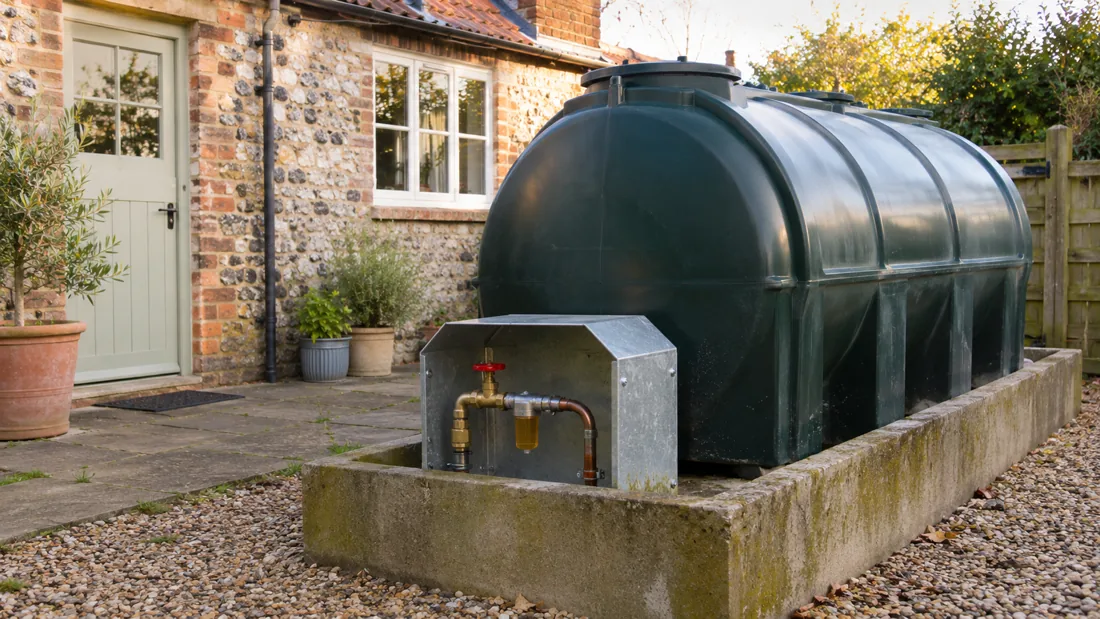
If Oil Is Escaping Now
Keep children, pets and unnecessary visitors away from the affected area. Do not touch damaged equipment, enter enclosed tank spaces or attempt a repair. Do not hose oil away or use detergent, which can spread contamination. Keep ignition sources away and avoid walking oil into the building.
If oil is reaching or threatening drains, ditches, surface water or groundwater, use the official Environment Agency reporting route promptly. Contact your insurer and, if you rent, your landlord or managing agent. An enquiry to this website does not replace a pollution report or emergency assistance.
This enquiry form is not an emergency dispatch service and does not promise an attendance time. For an active incident, seek direct professional assistance and follow the regulator’s advice. If there is immediate danger to life or fire, use the emergency services.
Where a Leak May Be Coming From
A strong oil smell, stained surfaces, wet patches near fittings or an unexplained fall in level can indicate a problem. The tank is only one possible source. A connection, valve, filter or buried supply line can also leak, and the visible wet area may be some distance from the fault.
Note when the signs first appeared, whether there was a recent delivery and whether the heating is still running. Look only from a safe accessible position. Do not disturb stained ground or open equipment to prove a leak, as doing so can expose people or spread the problem.
A damaged base can stress the vessel, while distortion or corrosion may point to wider deterioration. A professional assessment should establish the source and the condition of the storage system. A small visible drip does not establish the total amount lost or how far oil has travelled.
Remaining Oil Needs a Controlled Plan
Fuel left in a failing tank may need prompt professional recovery into suitable temporary storage. Report the approximate level and tank capacity if known, but do not try to empty it into domestic containers. The recovery arrangement needs to account for the tank’s condition and whether moving fuel could worsen the damage.
Usable oil may be retained following assessment, while contaminated material needs a suitable disposal route. If the tank is near a drain or watercourse, tell the contractor immediately. Hose access and the safest place for recovery equipment may be different from the normal delivery position.
A leaking tank should not be topped up while the fault remains unresolved. Tell the fuel supplier about the incident and any scheduled delivery. After the immediate work, confirm which tank and fill point are in service before deliveries resume.
Containment and Ground Investigation Are Separate
Stopping fresh oil escaping is the first stage, but existing contamination may need further work. Oil can enter joints, soak into soil or travel along service routes. Cleaning the visible surface does not demonstrate that the ground, nearby drainage or water supplies are unaffected.
A specialist may recommend sampling or an environmental investigation to establish the affected area. The scope can change as evidence becomes available. Where an insurer is involved, ask how investigation and clean-up decisions will be approved and documented before major work begins.
Do not assume every affected material has the same waste classification. Recovered liquids, used absorbents, soil and the tank itself need assessment for the handling and receiving routes used. Ask the contractor to explain what is being removed and which records will accompany it.
Repair, Replacement and Heating Continuity
The solution depends on the fault and the condition of the system. A defective fitting is a different problem from a cracked tank body. A structurally failed plastic tank needs replacement rather than a patch presented as a lasting repair, while other components require a suitable specialist decision.
A replacement position and base should still be assessed even when the work is urgent. Rushing a new tank onto unsuitable support can create another problem. Read the replacement guide for what the follow-on scope should include.
Tell the contractor if heating or hot water is essential to occupants or business operations. A temporary storage arrangement may be considered where safe and practical, but availability, installation, hire and collection need agreement. Do not assume fuel recovery automatically includes keeping the heating running.
Information, Access and Cost
Send the postcode, a description of the visible problem, estimated contents and the location of nearby drains or water. Photograph the whole tank and affected area only if you can do so safely. Mention staining inside the building, odour in occupied rooms and any private water supply.
Explain the route from the road, gate widths, steps and parking restrictions. Tell us whether access is shared or requires a keyholder. Commercial sites should identify the person managing the incident and any existing response plan so separate instructions do not conflict.
Costs may include fuel recovery, temporary storage, replacement, absorbents, sampling, contaminated material removal and reinstatement. These are separate tasks with different uncertainties. Ask for the immediate stabilisation scope first, then the assumptions and approval points for further work.
Keep dated photographs, delivery records, gauge readings, service history and contractor reports. Completion records should describe the source found, actions taken and materials removed, with applicable waste paperwork. Keep further investigation results and any outstanding recommendations with the same incident record.
Questions About This Service
Does replacing the tank finish the clean-up?
Replacing a leaking tank addresses the failed storage, but it does not establish whether escaped oil has affected the ground or water. Ask whether environmental investigation is needed and who will manage it. Keep the tank work and contamination work clearly recorded, including any follow-up still recommended after replacement.
Should I wait until the fuel level drops?
Waiting for a leaking oil tank to run low can allow more pollution. Arrange professional assessment and tell the fuel supplier about pending deliveries. Do not pump the contents yourself. Record the level if visible safely, and report oil threatening water or drains through the official environmental reporting route.