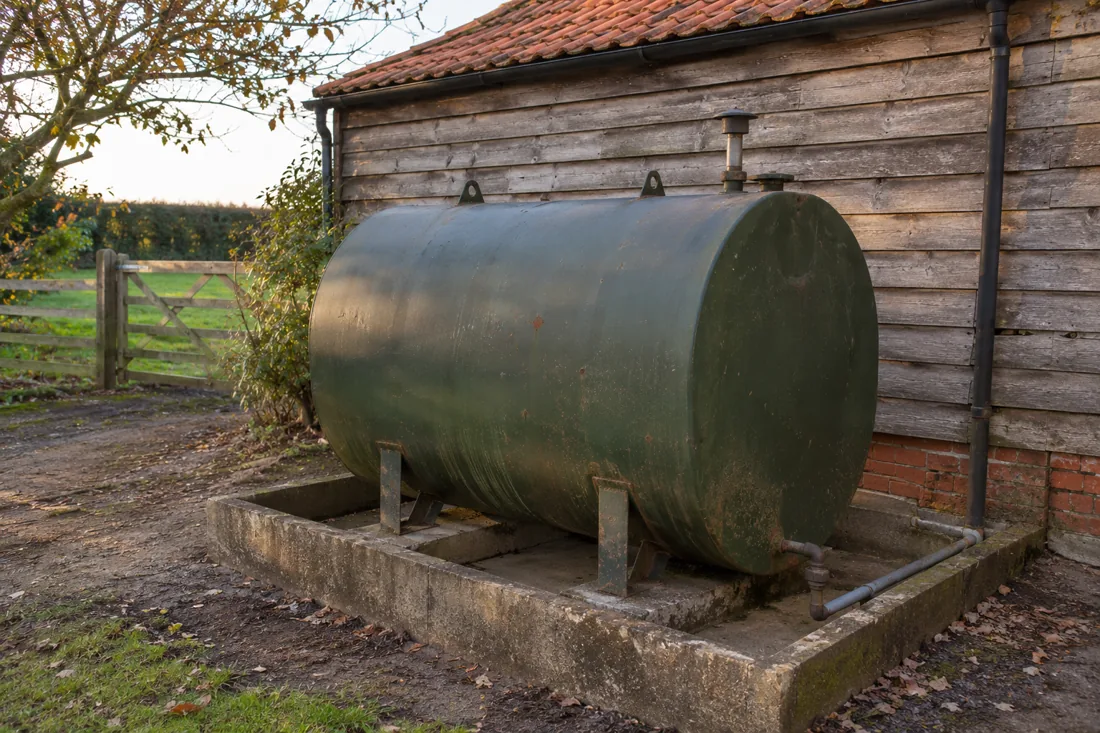
For Properties That Depend on Oil
Norfolk Oil Tank Services helps homes, landlords, rural property owners and commercial buyers prepare enquiries about oil storage. Our focus is the practical work: removing redundant tanks, replacing damaged storage, designing new installations, cleaning contaminated tanks and assessing buried or leaking systems.
A good starting point is an accurate account of the property. We ask about the tank’s use, condition, contents and access because those details shape the next step. We do not assume that a photograph establishes structural safety or that every fault calls for a new tank.
How Your Enquiry Is Handled
With your agreement, the details you submit can be shared with a suitable service provider so they can respond. You can explain the problem without knowing the technical diagnosis. The form asks for the essentials and leaves room to describe uncertainty.
The responding provider confirms availability, assessment needs and a proposed scope. Before booking, ask who will carry out the work, which checks and documents apply, what is included and what could change the price. A submitted enquiry is not a booking or a promise of attendance.
The Details We Encourage You to Check
A tank job includes more than the visible vessel. Remaining oil needs an agreed destination, hoses and equipment need a route, and a heating interruption may affect occupancy or operations. Base works, pipe connections and reinstatement should be discussed explicitly.
For installations and replacements, the provider should explain the applicable Building Regulations and compliance route. For cleaning and removal, the safe working method and waste arrangements should reflect the contents and conditions. Ask to see relevant registration details rather than assuming them from a service description.
Evidence Before Claims
This website does not present stock examples as completed Norfolk projects, claim memberships or publish invented reviews. Images illustrate tank settings and service topics. The guides explain questions to ask and processes to consider, with official references where regulation or safety is discussed.
Every quotation should be assessed against your actual property and the provider’s confirmed capability. If new findings change the work, ask for the revised scope before agreeing further stages. Read our buyer questions for more on fuel transfer, documentation and access.